When to Trust Professional Radon Testing Services for Your Home
@radontestingservicesden
October 10, 2026 · 8 min read
I have spent years working with homeowners in St. Louis who are trying to make sense of radon testing. Many of them start with a store-bought kit, get a result they do not fully understand, and then wonder what to do next. That is exactly the moment when professional radon testing services become worth the investment. The difference between a quick test and a thorough assessment is not just accuracy. It is the difference between guessing and knowing what your home actually needs.
Radon gas is invisible and odorless. You cannot smell it or see it, but the health effects of radon are well documented. The EPA estimates that radon exposure is the second leading cause of lung cancer risk after smoking. That alone should make testing a priority for any homeowner. But testing is not a one-size-fits-all process. The method you choose, the timing of the test, and the conditions inside your home all affect the result. That is where a professional approach can matter more than people expect.
Why Professional Radon Testing Services Matter
When I first started working in radon mitigation, I assumed that any test kit would give a reliable answer. I was wrong. Short-term radon test kits are easy to use, but they are also easy to misuse. A kit placed too close to an open window, left in a drafty hallway, or set up during a storm can produce a reading that has nothing to do with your average radon level. Professional radon testing services take care of those variables. The technician places the monitor in the right spot, ensures the house is in closed-house conditions, and records the environmental factors that might skew the result.
One thing I tell every homeowner is this: a test result is only as good as the conditions under which it was taken. A short-term test that is run for just two or three days can give a snapshot, but it can also miss the peaks and valleys of radon entry that happen over weeks. That is why many professionals recommend a long-term radon test that runs for at least ninety days. That kind of test gives a much better picture of your actual exposure. It is also the kind of test that most homeowners will not set up correctly on their own.
What Professional Testing Includes
The typical process for professional radon testing services starts with an initial walkthrough. The technician looks at the foundation type, the condition of the slab, the sump pits, and the crawlspace if there is one. They check for cracks, gaps around utility penetrations, and signs of soil moisture. Then they decide where to place the radon monitor. In most homes, the lowest livable level is the priority because that is where radon levels tend to be highest. But the placement also depends on how the house is used. If the basement is finished and used as a family room, the monitor goes there. If the basement is unfinished and rarely occupied, the monitor might go on the first floor instead.
During the test period, the house needs to stay in what is called closed-house conditions. That means keeping windows and exterior doors closed as much as possible, except for normal entry and exit. The technician explains this to the homeowner and often leaves a log sheet to record any events that could affect the test. If a window gets left open for several hours, the test might need to be restarted. That level of supervision is one of the reasons professional radon testing services produce results that are more reliable than a kit you buy at a hardware store.
After the test period ends, the data is downloaded and analyzed. Some professionals use a continuous radon monitor that records readings hour by hour. That kind of device shows when radon spikes and whether it stays high consistently or fluctuates with weather changes. A continuous radon monitor can also detect tampering or accidental interference, which gives the homeowner more confidence in the result.
Connecting Testing to Mitigation
The real value of professional testing appears when the result comes back high. If your radon level is above the EPA action level of 4 picocuries per liter, you need radon mitigation. That is not a suggestion. It is a health recommendation that carries real weight. But the test result alone does not tell you what kind of system you need. That is where the experience of a mitigation professional becomes essential.
I have seen homes where a simple sub-slab depressurization system does the job. In those houses, a few well-placed suction points and a radon fan in the attic or outside pull the gas from beneath the slab and vent it above the roofline. In other homes, the soil conditions are different, and a different approach like soil suction from a crawlspace or a drain-tile system works better. The test results, combined with the physical inspection, guide the decision. That is why radon testing services and radon system installation are often done by the same company. The continuity matters because the person who tested the house already knows its quirks.
One company that follows this model in the St. Louis area is Air Sense Environmental. They test first, then design a system based on the actual conditions of the home. After the radon system installation is complete, they do not just walk away. They perform a post-installation verification test to confirm that the system is actually reducing radon levels. That final test is what separates a proper mitigation from a guess. Without it, you have no way to know whether the radon fan and the suction points are doing their job.
The Role of Real Estate Transactions
Radon testing is also a major part of real estate disclosure in many states. When a home is being sold, the buyer almost always wants a radon test. If the test comes back high, the sale can stall or fall through entirely. That is when professional radon testing services become a negotiating tool. A seller who has already tested the home and installed a mitigation system can show the buyer a clean post-installation verification test. That removes the uncertainty and keeps the deal moving.
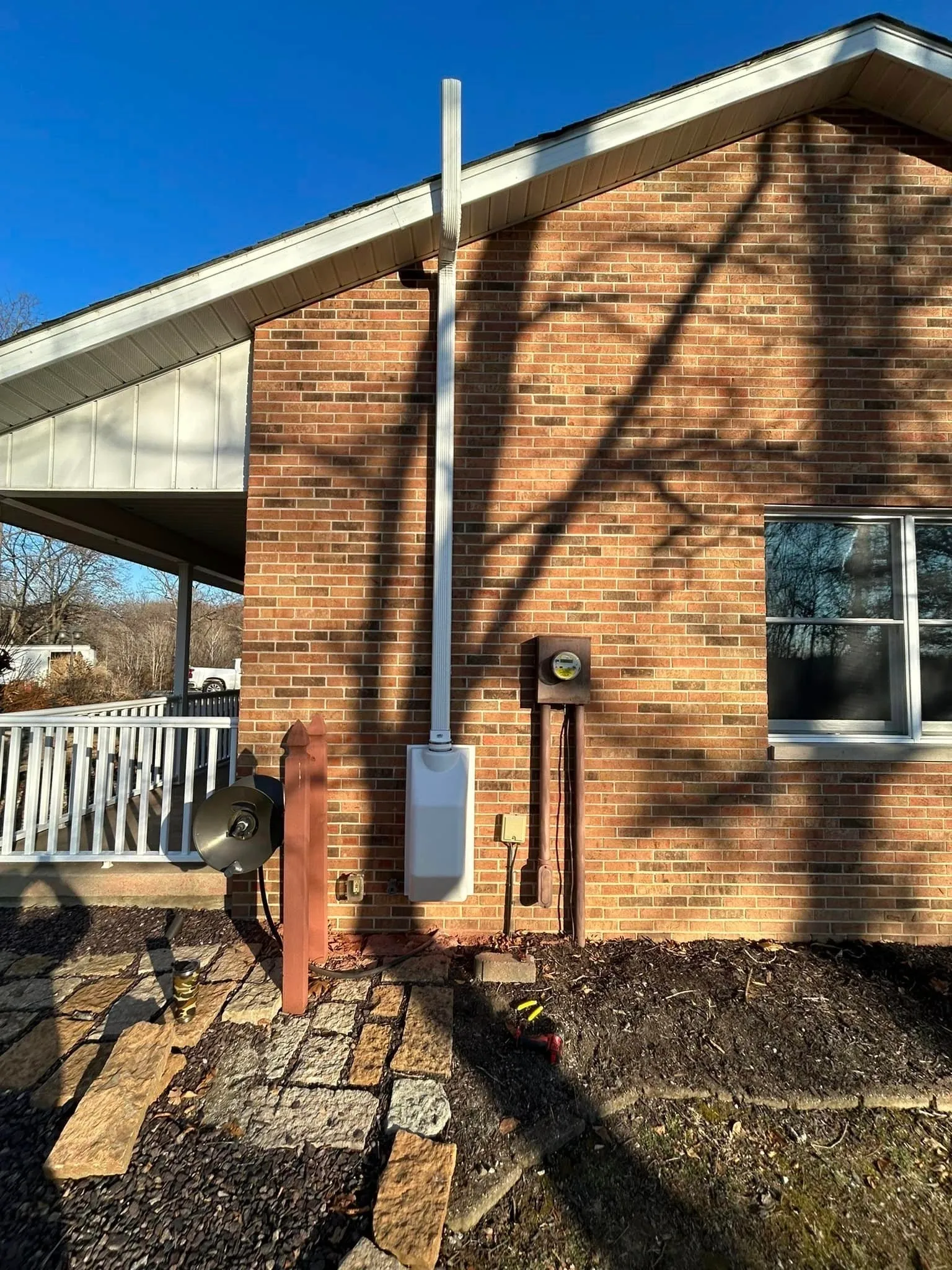
In St. Louis, radon is a real concern. The geology of the area means that homes built on certain types of soil are more likely to have elevated radon levels. A real estate disclosure that includes a current radon test result is a strong selling point. It shows that the seller has been responsible and that the home is safe to occupy. I have seen several transactions where a quick short-term radon test done by the buyer revealed a high level, and the whole deal had to be renegotiated. A professional test done ahead of time would have saved everyone a lot of stress.
Long-Term Monitoring and Peace of Mind
Even after a mitigation system is installed, radon levels can change. The system can develop a leak. The radon fan can wear out. The soil around the foundation can shift. That is why some homeowners choose to keep a continuous radon monitor in their home after the initial test. These devices plug into a wall outlet and track radon levels over months and years. They can alert you if the radon level climbs back above the action level. That kind of long-term monitoring is not a substitute for professional radon testing services, but it is a useful complement.
I recommend that homeowners test their home at least every two years, even if they have a mitigation system. The EPA also recommends testing after any major renovation, especially if the work involves the foundation or the lowest floor. If you finish a basement that was previously unfinished, you are changing the air pressure dynamics in the house, and that can affect radon entry. A retest after the renovation ensures that the radon reduction system is still effective.
What to Look for in a Radon Testing Provider
Not every company that offers radon testing services does it well. Here are a few things I have learned to look for over the years:
- Certification from a recognized program like the National Radon Proficiency Program or similar. This ensures the technician has passed an exam and follows standard protocols.
- Use of continuous radon monitors rather than charcoal canisters. The continuous devices provide more data and are harder to tamper with.
- A clear explanation of closed-house conditions and what the homeowner needs to do during the test. If the technician does not mention this, find someone else.
- A written report that includes the test date, the location of the monitor, the test result, and any relevant notes about the house conditions.
- The ability to follow up with radon system installation if needed. A company that only tests and then refers you elsewhere may not have the same commitment to the outcome.
Air Sense Environmental, for example, covers all of these points. They use continuous radon monitors, they explain the process clearly, and they handle the entire chain from testing through mitigation and post-installation verification. That is the kind of service that actually solves the problem rather than just identifying it.
The Bottom Line
Radon testing is not something to rush through. The result you get will guide decisions about your health and your property. Professional radon testing services give you a result you can trust, and they set the stage for effective radon mitigation if that turns out to be necessary. If you live in an area like St. Louis where radon is common, the cost of professional testing is small compared to the peace of mind it provides. And if you are buying or selling a home, a clean test result can make the difference between a smooth transaction and a complicated one.
I have seen too many homeowners skip the professional step and then regret it later. They use a cheap kit, get a borderline result, and spend months wondering whether they should worry. A professional test answers that question clearly. And if the answer is that you need radon reduction, you will already have the data you need to move forward. That is worth the investment every time.